




CHAWALA ENTERPRISES
Welcome to PTEA B2b Exchange Gateway!
Standard Subscription

About CHAWALA ENTERPRISES
Read more
Company Name: CHAWALA ENTERPRISES
Chawala Enterprises started its corporate journey as a Textile Goods Exporter in 1992. After three decades of inception, we have managed to expand our exports horizons by investing in niche higher end product range of bed and pillow protectors. We are known and respected today as a reliable partner for premium quality goods production for our valuable customers across the globe. We sell peace of mind to our business associates by providing them the right quality, timely shipment and top of the line customer service and product development and innovation support. The Major presence of female staff reflects Chawla’s management’s belief in the women empowerment. We have made an extensive investment to produce sustainable textile products to save and preserve life on land and in the ocean.
Product Line
view more
-
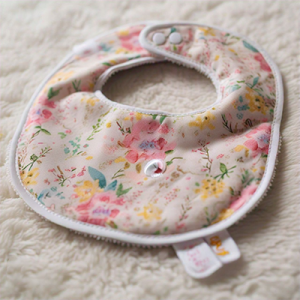
Baby Bibs
XTitle: Baby Bibs
Description: Size: Small baby bibs are designed to fit comfortably around a baby\'s neck without overwhelming them. They are smaller in dimensions compared to bibs used for older children or adults. Materials: They are often made from soft and gentle materials such as cotton terry cloth or lightweight fabrics that are comfortable against a baby\'s sensitive skin. Closure: Small bibs usually feature easy-to-use closures such as snap buttons, Velcro, or ties, designed for quick attachment and removal. Designs: These bibs come in various designs and styles, including: Traditional Bibs: These cover the baby\'s chest and lap to protect clothing during feeding. Bandana Bibs: These smaller bibs are shaped like a bandana and worn around the neck, serving both as a fashion accessory and a functional bib. Drool Bibs: Designed to absorb drool and keep the baby\'s clothes dry, especially during teething stages. Functionality: Small baby bibs are essential for meal times to prevent food spills and stains on the baby\'s clothing. They are also used to manage drool and keep the baby comfortable throughout the day. Variety: Available in a variety of colors, patterns, and prints to suit different preferences and match the baby\'s outfits or nursery themes. Send us your inquiry
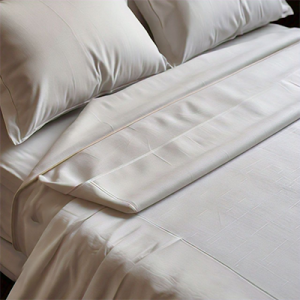
Bed Linen
XTitle: Bed Linen
Description: Crib Sheets: Bed sheets specifically designed to fit crib mattresses, ensuring a snug and safe sleeping environment for infants. Toddler Bedding: Bedding sets tailored for toddler beds, including small-sized sheets, pillowcases, and duvet covers that fit toddler-sized mattresses. Youth Bedding: Bed linen designed for youth or tween beds, which are smaller than standard twin or full-sized beds but larger than toddler beds. Travel or Camping Bedding: Compact and lightweight bedding sets designed for travel beds, camping cots, or portable cribs, providing comfort on the go. Specialty Bedding: Bed linen tailored for specific needs, such as hospital beds, bunk beds, or adjustable beds, which may require custom-sized sheets or bedding sets. Send us your inquiry
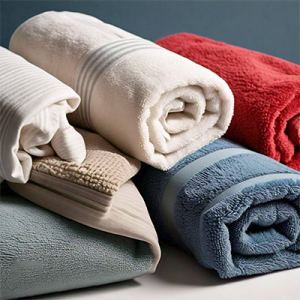
Towels
XTitle: Towels
Description: Towels are absorbent fabric cloths used for drying off after bathing or swimming. They come in various types, including bath towels for body drying, hand towels for smaller uses, and beach towels for outdoor activities. Towels are typically made from materials like cotton or microfiber, known for their absorbency and quick-drying properties, making them essential bathroom and beach accessories. Send us your inquiry
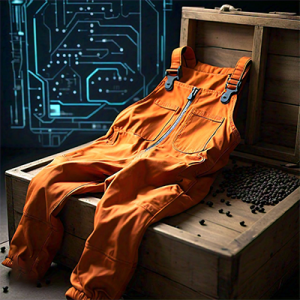
Coveralls
XTitle: Coveralls
Description: Coveralls are one-piece protective garments worn for various industrial and work environments. They provide full-body coverage and are designed to protect against dirt, chemicals, and other hazards. Coveralls come in different materials and styles, including disposable options for single-use purposes and insulated versions for cold weather conditions. They are essential workwear for ensuring safety and comfort in demanding professions. Send us your inquiry
Technologies Line view more-
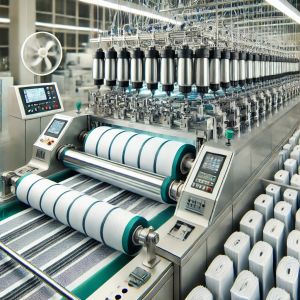
Pad Dyeing Machines
XTitle: Pad Dyeing Machines
Description: Machines used for dyeing fabrics continuously. They ensure consistent color application and are efficient for large-scale production. Send us your inquiry
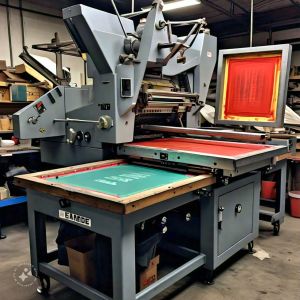
Screen Printing Machines
XTitle: Screen Printing Machines
Description: Machines used for applying designs and patterns onto fabrics. Suitable for large volumes and allows for vibrant, durable prints. Send us your inquiry

Dyeing Setup-Continuous Dyeing
XTitle: Dyeing Setup-Continuous Dyeing
Description: Continuous dyeing is a method used in textile industries to dye fabrics in a continuous process, rather than batch-wise. Here’s a description of its setup and operation: Setup: Fabric Feeding: The process begins with continuous feeding of fabric into the dyeing machine from a roll or creel. Preparation: Fabrics may undergo preparation steps such as desizing, scouring, and bleaching to remove impurities and enhance dye absorption. Dye Liquor Preparation: Dyes are prepared in a solution suitable for continuous application, often with additives to control pH, leveling agents, and other chemicals to enhance dye uptake and uniformity. Operation: Dye Application: Fabrics are passed through a series of dyeing tanks or chambers where they are immersed in the dye liquor. Various methods can be employed for dye application: Pad Dyeing: Fabrics are padded through dye baths, where they absorb dye before passing through squeezing rollers to control the dye uptake. Spray Dyeing: Dye liquor is sprayed onto the fabric as it moves through the dyeing machine. Foam Dyeing: Dye is applied in the form of foam to enhance dye penetration and reduce water consumption. Steaming or Fixation: After dye application, fabrics may undergo steaming or heat setting to fix the dye permanently. Washing and Finishing: Finally, fabrics are washed to remove excess dye and chemicals, followed by finishing processes such as drying, calendaring, and inspection. Advantages: Efficiency: Continuous dyeing allows for high-speed production with minimal downtime between batches. Consistency: Ensures uniform dye penetration and color matching across large fabric batches. Economical: Reduces water and chemical consumption compared to batch dyeing methods. Versatility: Suitable for a wide range of fabrics including cotton, polyester, blends, and technical textiles. Applications: Continuous dyeing is widely used in industries producing apparel fabrics, home textiles, automotive textiles, and technical textiles where consistent color and fast production are essential. Overall, continuous dyeing setups are designed to optimize efficiency and quality in textile dyeing processes, meeting the demands of modern manufacturing for fast, consistent, and economically viable production of dyed fabrics. Send us your inquiry
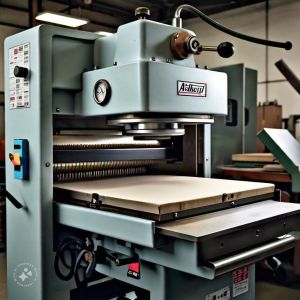
Heat Press Machines
XTitle: Heat Press Machines
Description: Machines used for applying heat transfer designs onto fabrics. Ideal for adding logos, labels, and decorative elements. Send us your inquiry
Member Certification view more-
PTEA
Contact InformationName: Mr. Muhammad Jamil Chawala
Address: 3-K.M. Jhumra Road, Khurrianwala, Faisalabad-Pakistan.
Website: https://www.chawala.com.pk/index.php
Profile URL: https://ptea.petrolsolutions.com/chawala enterprises

About Me